









Post a photo, ask people to comment, pick one of them, ship a prize. Brands, shops and creators run that exact giveaway all the time, and in most of the places they run it, it is perfectly legal. In some places it is not, or not without paperwork that many hosts have never heard of.
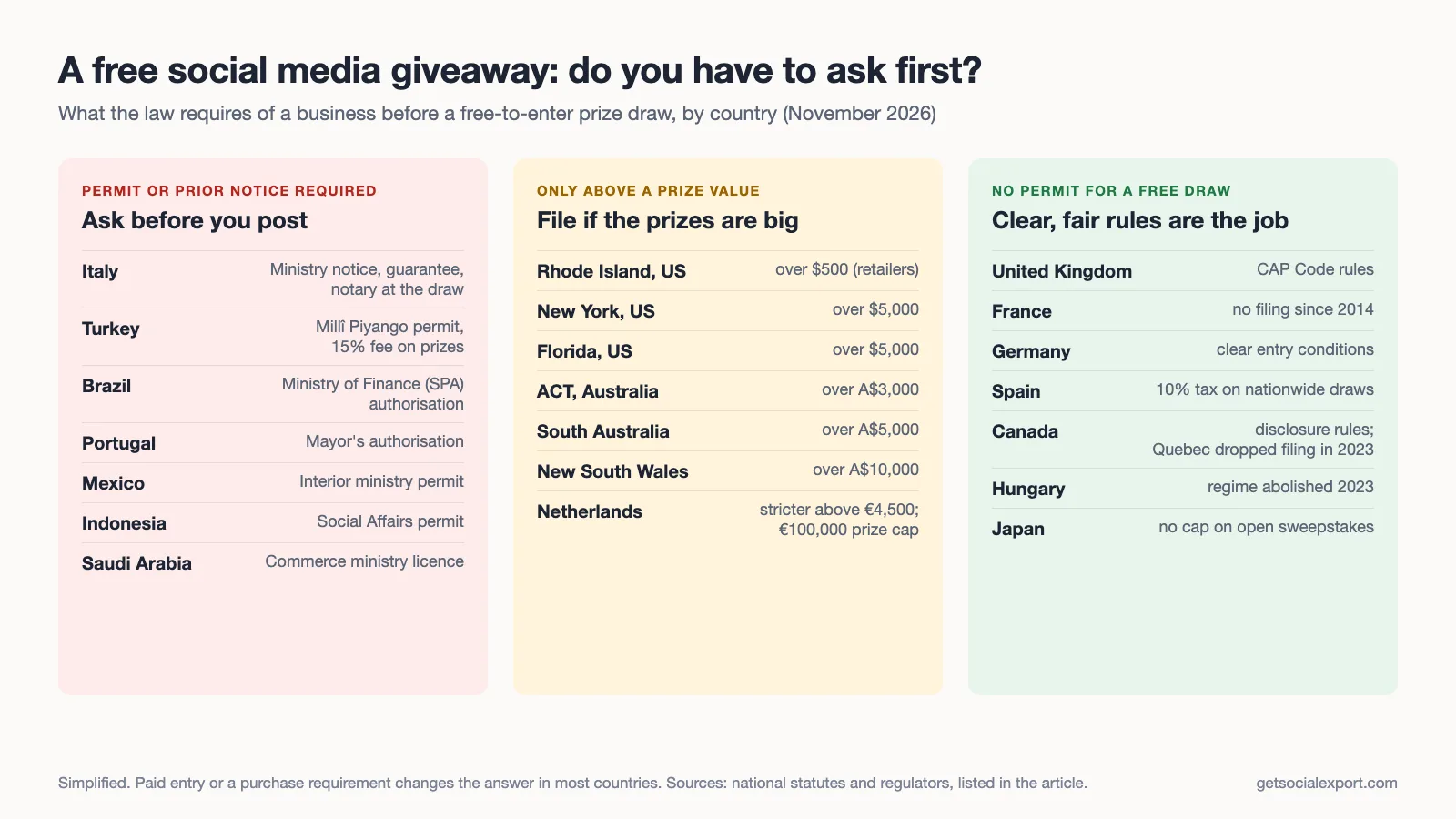
In Turkey, a free Instagram draw needs the permission of the national lottery administration, and the fee is 15% of the prizes' value. In Italy, the winner has to be drawn in front of a notary or a Chamber of Commerce official. A Brazilian company needs authorisation from the Ministry of Finance before it can give away a pair of sneakers by lot. A shop in Rhode Island has to file a statement with the Secretary of State once the prizes pass $500. Meanwhile, the UK, France, Germany and Quebec ask for no filing at all, and Hungary and Quebec have recently scrapped the regimes they had.
Most guides on this subject were written for US sweepstakes and stop at "no purchase necessary". We went back to the statutes and regulators of 19 countries and several US and Australian states, read the current texts, and checked what each one actually requires of someone running a giveaway on social media. This is what we found. It is a map, not legal advice: if your prize is large or your audience spans several countries, a short conversation with a local lawyer is money well spent.
The three-part test that decides almost everything
Nearly every legal system starts from the same idea. A scheme with a prize, awarded by chance, to people who gave something of value to take part (consideration) is a lottery, and lotteries are reserved for the state or for licensed operators. Remove any one of the three and you are usually out of gambling law.
You can see it in the statutes. The UK's Gambling Act 2005 defines a lottery as an arrangement where "persons are required to pay in order to participate", prizes are allocated, and the allocation "relies wholly on chance". Germany's gambling treaty says a game of chance exists when "für den Erwerb einer Gewinnchance ein Entgelt verlangt wird" (GlüStV 2021, §3): a fee is charged for the chance to win. Canada's Criminal Code catches games of chance, or of mixed chance and skill, "in which the contestant or competitor pays money or other valuable consideration" (s. 206). France bans games of chance that demand a "sacrifice financier" (Code de la sécurité intérieure, L320-1).
A typical social media giveaway has a prize and chance, but asks only for a comment, a follow or a tag. In most of the countries below, that is not consideration. This is why the usual giveaway is legal in so many places, and also why the exceptions are so easy to miss: some countries regulate promotional draws even when entry is free.
What counts as payment is narrower than people assume. The UK's Gambling Act says the normal cost of a stamp, a phone call or a message doesn't count (Schedule 2), but charging a winner to learn the result or to collect the prize does. That last point matters on social media, where "pay the shipping to claim your prize" is a classic scam line, and, done by a real brand, would turn a free draw into a paid one.
Where a free draw still needs permission
Italy: a notary, a guarantee and the ministry
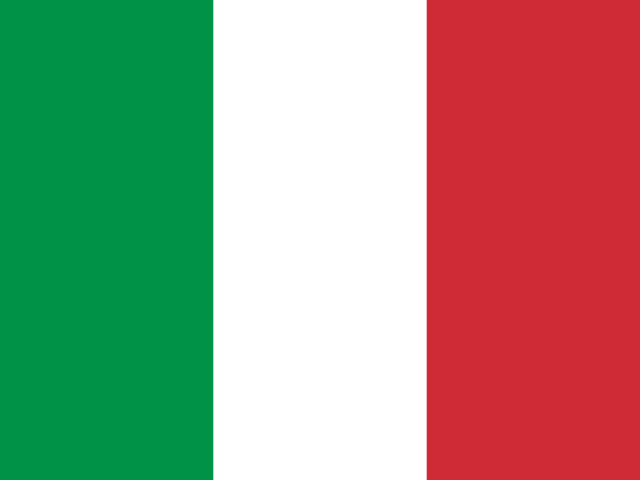
Italy has the most demanding regime in Western Europe, and it covers giveaways with no purchase at all. Under Presidential Decree 430/2001, a concorso a premio is a promotion where prizes are awarded by chance or skill, "anche senza alcuna condizione di acquisto": even without any purchase condition. The promoter must notify the Ministry of Enterprises before the start (art. 10), lodge a guarantee equal to 100% of the prizes' value (art. 7), and award the prizes "alla presenza di un notaio o del responsabile della tutela del consumatore" of the local Chamber of Commerce (art. 9). Prizes that go unclaimed must be handed to a non-profit organisation, and prizes have to be delivered within six months.
There are exclusions. Contests for literary, artistic or scientific works where the prize rewards personal merit fall outside the decree (art. 6), as do items of very small value. A photography contest judged by a jury is a different animal from a random comment draw.
What this means in practice: an Italian brand that runs a "comment to win" draw on Instagram without notifying the ministry and without a notary is not in compliance, however fair the draw. A random picker, even a verifiable one, does not replace the notary.
Turkey: the national lottery administration, and a 15% fee
Turkey's rule is short and sweeping. Article 41 of Decree-Law 320 requires the permission of Millî Piyango İdaresi, the national lottery administration, for draws and lotteries whose prizes are not cash, whether or not they are tied to a sale and whatever form participation takes. Since an amendment of November 2022, the administration charges an application fee (2,000 lira, indexed every year) and, on approval, a permission fee of 15% of the market value of the prizes. The fee doubles to 30% when the prizes are imported goods or bought from third parties. Public bodies and tax-exempt foundations are exempt.
The implementing regulation, published in the Official Gazette in October 2006, asks organisers to apply at least 15 days before the campaign and to provide a guarantee covering the value of the prizes plus 10%. It also exempts draws whose prizes stay under a threshold linked to the inheritance-tax exemption. The law does not name influencers or social media; it doesn't need to. A free iPhone draw on an influencer's account is a non-cash draw like any other.
Brazil: authorisation from the Ministry of Finance
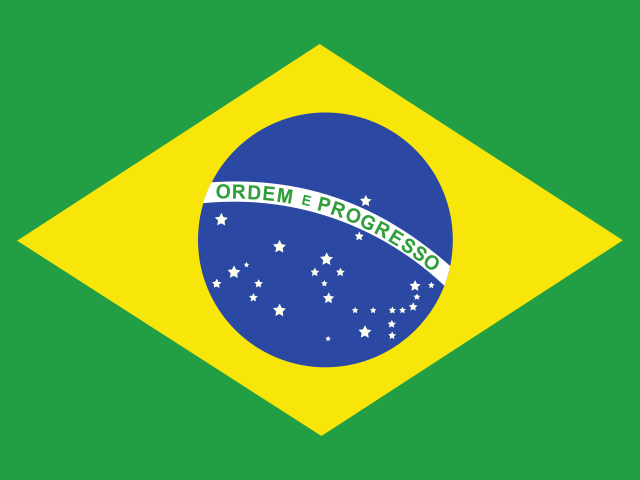
Brazil's Law 5,768 of 1971 requires prior authorisation for any free distribution of prizes for advertising purposes, by draw, instant prize, contest or similar. Since the 2023 reform of the betting market, the body in charge is the Ministry of Finance's Secretariat of Prizes and Bets, which states on its official page that "em todo o Brasil, as promoções são autorizadas exclusivamente pela SPA". Only companies can apply, and prizes cannot be paid in cash. Running a promotion without authorisation can cost a fine of up to 100% of the value of the promised prizes and a ban of up to two years.
The well-known escape hatch is the "concurso exclusivamente cultural, artístico, desportivo ou recreativo" (art. 3), but the conditions are strict: no element of chance, no payment and no link to buying anything. A random draw among commenters doesn't qualify. A jury picking the best photo might.
Portugal, Mexico, Indonesia and Saudi Arabia
Portugal moved this power to local government in 2019. Since Decree-Law 98/2018, draws, advertising contests and passatempos need prior authorisation from the mayor (presidente da câmara municipal) of the municipality where the game takes place, or where the organiser has its seat if it isn't limited to one. Companies face fines from €3,750 to €37,500. On top of that, prizes from draws and contests carry stamp duty of 35%, and the tax authority has ruled that a prize in kind bears a further 10%, for 45% in total (binding ruling 26950, 2024).
Mexico's Federal Law on Games and Draws of 1947 still says no draws "de ninguna clase" may be held without a permit from the Interior Ministry (art. 4). Draws held purely for commercial advertising are exempt from the state's share of proceeds, not from the permit.
Indonesia requires a permit from the Minister of Social Affairs for every free prize draw that meets the definition in Ministerial Regulation 3/2024, applied for online by a company with a business identification number. The regulation is written for product promotions and doesn't mention social media, so whether it reaches a creator's non-commercial giveaway is unclear. The prize tax is not: winners of draws pay a final 25% on the gross value, withheld by the organiser (PP 132/2000).
Saudi Arabia's Ministry of Commerce requires a licence for commercial competitions run by businesses and online stores. Competitions are limited to twice a year for up to 60 days each, may not require a purchase, must deliver prizes within seven days, and must show the licence number in every advert. Organisers' relatives and staff can't enter. The ministry cites penalties of up to three years in prison and fines of up to one million riyals under the Anti-Commercial Fraud Law.
Where the prize value decides
The United States: federal rules, then the states
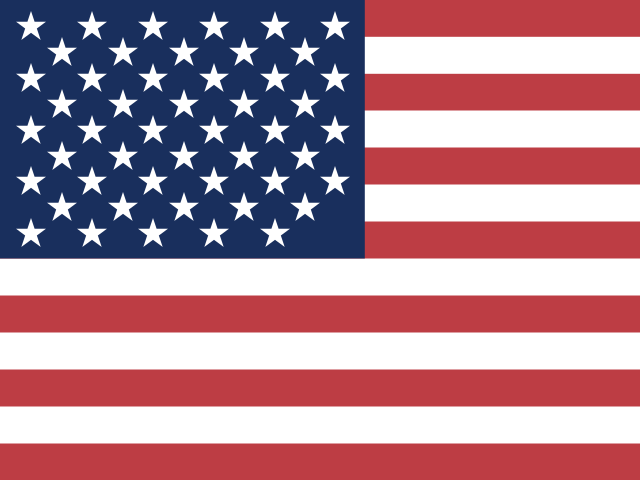
There is no federal registration for giveaways. The federal layer is about the lottery ban and honesty. Mailing lottery material is a crime under 18 U.S.C. § 1302, with an exception in § 1307 for promotions by a commercial organisation that are "clearly occasional and ancillary to the primary business". The practical rule US promoters live by is to remove consideration: no purchase necessary, and a free way to enter that is as good as the paid one.
Three states add filing duties, all triggered by prize value:
| State | When you must file | What it involves | Source |
|---|---|---|---|
| New York | Total prizes over $5,000 | File with the Secretary of State 30 days before the start, $100 fee, trust account or bond for the full prize value, list of winners of prizes over $25 within 90 days | GBL § 369-e |
| Florida | Total prizes over $5,000 | File with the Department of Agriculture and Consumer Services 7 days before, $100 fee, trust account or bond, certified winners list within 60 days | Fla. Stat. § 849.094 |
| Rhode Island | Retail promotions, prizes over $500 | Statement filed with the Secretary of State, $150 fee | R.I. Gen. Laws § 11-50-1 |
A New York or Florida giveaway with a $6,000 prize has to be planned at least a month (or a week) ahead, not posted on a Friday afternoon.
The other federal concern is disclosure. When people post about a brand to enter a contest, the FTC treats those posts as endorsements. Its Endorsement Guides FAQ says a branded hashtag alone isn't enough, but "making the word 'contest' or 'sweepstakes' part of the hashtag (e,g., #XZY_Contest or #XYZ_Sweepstakes) should be enough."
Winners have their own paperwork. The IRS treats prizes as income (Publication 525), and from tax year 2026 the threshold at which a business must report a prize on Form 1099-MISC rose from $600 to $2,000.
Australia: state by state
Australia regulates "trade promotion lotteries" at state level, with thresholds that differ widely. In New South Wales, an authority is needed only when "the total prize value for a single trade promotion exceeds $10,000" (NSW Government). South Australia needs no licence for promotions with prizes up to $5,000 (SA Government). The Australian Capital Territory exempts trade promotions with prizes up to $3,000 (ACT determination DI2015-301) and requires a permit above that. Because a social media giveaway reaches every state at once, the strictest one an entrant lives in is the one that counts.
The Netherlands: no licence, but a code with numbers in it
Dutch promoters don't need a licence if they follow the Code of Conduct for Promotional Games of Chance 2014. The gambling authority summarises it: entry is free, the prizes are capped at €100,000, minors need a parent's consent, and above €4,500 in prizes a business may run at most one such game a year per product or service. Dutch winners can also face gambling tax: 37.8% from January 2026 on prizes above €449.
Where clear, fair rules are the job
United Kingdom
A free giveaway in the UK is not a lottery, and there is nothing to file. The obligations come from advertising rules. Section 8 of the CAP Code, enforced by the Advertising Standards Authority, asks promoters to state all significant conditions up front (how to enter, closing date, prizes, restrictions, the promoter's name and address), to award prizes "in accordance with the laws of chance", and to make information about major winners available, normally their surname and county. If the winner isn't picked by a computer process that produces verifiably random results, the draw has to be run by, or under the supervision of, an independent person. Prizes are normally awarded within 30 days. Since April 2025, the Digital Markets, Competition and Consumers Act 2024 also lists, among practices banned outright, claiming to run a prize promotion without awarding the prizes described.
France
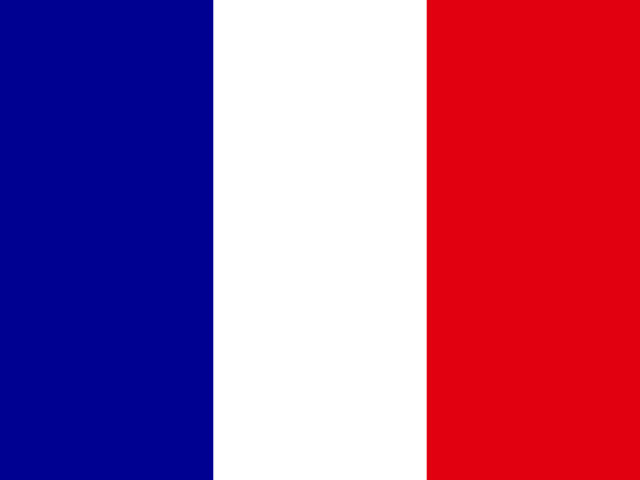
French law used to be strict. Until December 2014, the rules of a loterie publicitaire had to be deposited with a bailiff, and entry could not require any financial contribution. The deposit requirement was repealed in 2014, and the current text, article L121-20 of the Consumer Code, only bans promotional lotteries that are unfair commercial practices. Many French brands still file their rules with a commissaire de justice, and it is a sensible way to prove what the rules said on the day, but no current text we could find requires it.
Germany
Free prize games sit outside gambling law, and German law cares instead about transparency. The Digitale-Dienste-Gesetz (DDG), Germany's law implementing the EU's Digital Services Act, requires promotional competitions to be clearly recognisable as such, and the conditions of participation to be "leicht zugänglich sein sowie klar und unzweideutig angegeben" (DDG § 6): easy to find and stated clearly. The blacklist annexed to the unfair competition act (UWG, Annex) bans running a prize competition without awarding the prizes and giving the false impression that someone has already won.
Spain
Spain's gambling act leaves promotional draws outside its scope as long as the only "price" is consuming the product, without surcharge (Law 13/2011, art. 3). The catch is fiscal: nationwide promotional draws are subject to the gambling activities tax at 10% of the market value of the prizes (art. 48). Spanish winners also face income-tax withholding on prizes above €300.
Canada and Quebec
Federal law asks for disclosure rather than registration. Under section 74.06 of the Competition Act, a contest is reviewable unless it fairly discloses the number and approximate value of prizes, how they are allocated by region, and anything that materially affects the odds. The famous skill-testing question is not written in any statute; it is the industry's way of keeping a contest out of the Criminal Code's chance provisions.
Quebec, long the exception in Canada, changed course. Since 27 October 2023, the provincial gaming regulator no longer supervises publicity contests: there are no notices to file and no duties to pay for new contests (RACJ). Many guides still describe the old regime.
Hungary, Poland, Japan and South Korea
Hungary abolished its regime for promotional draws (ajándéksorsolás) from 1 January 2023; the gambling authority was told to close all procedures for draws held after 2022 (Gambling Act, transitional provisions).
Poland licenses loterie promocyjne, defined as lotteries entered by buying a product or service: the permit fee is 10% of the prize pool (Gambling Act, consolidated 2025). A free giveaway with no purchase is not on the Act's list of games, which is why Polish brands routinely run social media konkursy, often judged on a creative answer rather than drawn at random. Prizes are taxed at a flat 10%, with an exemption up to 2,000 złoty that covers only certain kinds of contest.
Japan caps prizes when a draw is tied to a purchase: up to 20 times the transaction value, or ¥100,000 for purchases of ¥5,000 and more, with total prizes capped at 2% of expected sales (Consumer Affairs Agency). "Open" sweepstakes, which anyone can enter without buying, used to be capped at ¥10 million; since April 2006, "提供できる金品等に具体的な上限額の定めはありません": there is no specific upper limit.
South Korea treats prizes as "other income" under its Income Tax Act, withheld at 20%; small prizes, where the taxable amount per item is ₩50,000 or less, are not taxed.
The platform layer: rules you agreed to
Every platform adds its own conditions, and breaking them can cost the account even where the law is satisfied.
Facebook is the strictest, and its rule is the one hosts break most often. The current Pages, Groups and Events Policies say a promotion "must not require or incentivize participants to share, repost, tag others, or in any other way publicize your promotion." That rules out "tag two friends to enter", "share this post for an extra entry" and every variation on them. Many guides still quote an older version of the policy, which only banned using personal Timelines and friend connections. The same page also tells Page owners to make their promotion legal, giving "registering your promotion with the relevant authorities" as an example, and to require every entrant to release Meta from liability and acknowledge that Meta does not sponsor, endorse or administer it.
Instagram's own promotion guidelines are shorter. They require a release of Instagram and an acknowledgement that it isn't involved, and say "you must not inaccurately tag content or encourage users to inaccurately tag content". They don't ban asking people to tag friends in a comment, which is why "tag a friend" giveaways are everywhere on Instagram. What they do ban is asking people to tag themselves, or others, in a photo they don't appear in.
YouTube's contest policies are blunt: "You're solely responsible for your contest" and "your contest must be free of charge to enter". The rules must say YouTube isn't a sponsor, and contests can't be used to inflate views or other metrics.
TikTok has no specific rule for creator giveaways that we could find. Its community guidelines say content that tries "to manipulate people into giving gifts or inflating likes or follows isn't eligible for the FYF", the For You feed. "Follow, like and share to win" posts can work, but they may get less reach.
Proving the draw was fair
Almost every system above asks one thing of the draw itself: that it is genuinely random, and that the promoter can show it. The UK's CAP Code is the most explicit: a computer process that produces verifiably random results, or an independent person. Canada requires winners to be chosen by skill or at random. Italy goes furthest and requires a notary.
Screen-recording a website that "picks a random comment" proves less than it seems. Nobody watching can tell whether every comment was loaded, whether the draw was repeated until a friend won, or whether the result was random at all.
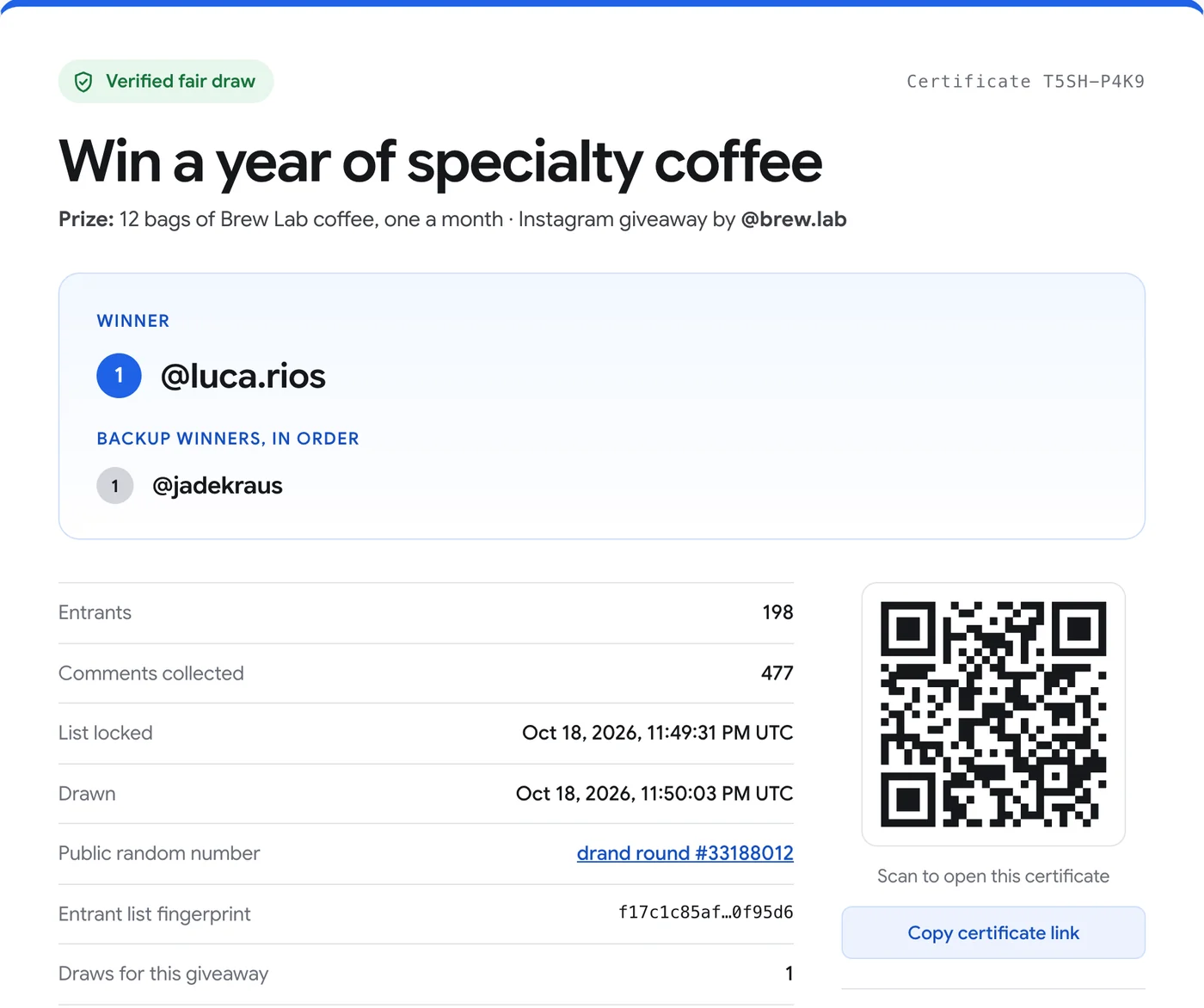
A verifiable draw works the other way round, and it is how our own Giveaway Picker works. The extension loads the comments of your post, applies your rules (one entry per person, required hashtag, deadline, excluded accounts), locks the list of eligible entrants and fingerprints it with SHA-256. Only then does it take a random number from drand, a public randomness beacon run by the League of Entropy, from a round published about 30 seconds later. Anyone can scan the certificate's QR code and their browser re-checks the whole draw. It works on Instagram, Facebook, TikTok and YouTube.
That covers the "laws of chance" part and gives you a record to show followers and, if needed, an advertising regulator. It doesn't file Turkish permits, appoint an Italian notary or tell you whether your state needs a bond. That part is on you.
Before you post: a checklist that works in most countries
Write official rules, even short ones, and link them from the post. Almost every regime above, from the CAP Code to Germany's DDG to Canada's Competition Act, comes back to the same list: who can enter (age, countries), how to enter, the closing date with its time zone, the prize and its value, the number of winners, how they will be chosen and contacted, and who is running the giveaway.
Keep entry free. A purchase or payment requirement is what turns a giveaway into a lottery in most of the world, and it triggers the strictest rules everywhere else.
Limit the countries you open it to. "Open to residents of the UK and Ireland" is easier to get right than "open worldwide", which technically invites Turkish, Italian and Brazilian rules into your caption.
Add the platform's line ("This giveaway is not sponsored, endorsed or administered by, or associated with, Instagram") and, for US audiences, a #contest or #sweepstakes hashtag when entries involve posting about you.
Draw in a way you can prove, keep the record, and contact winners only from your own account. The FTC's advice to consumers is simple: "If you have to pay to get your prize, it's a scam." Social media is where a lot of those scams start: in 2025, nearly 30% of people who reported losing money to a scam to the FTC said it began on social media, with reported losses of $2.1 billion (FTC, April 2026). Saying publicly that you will never ask winners for money protects your entrants and your name.
And if your giveaway is big, cross-border, or in one of the countries in the first group, get local advice before you post. A law that almost nobody enforces is still the law, and a permit is usually cheaper than the conversation that follows when a competitor reports you.